

Participatory Youth Research

CARE LEAVING IN PROGRESS

SEND REQUEST NOW
Transition Living Lab
CLiP_TransformativeSpace™

News & Updates

Stay tuned – we're launching in October 2026

Why is Care Leaving in Progress necessary?

Around 1,000,000 to 1,020,000 young people aged 16 to 25 live in Austria in 2026 (Statistics Austria). International research increasingly describes the period between adolescence and adulthood as a distinct transitional and developmental phase (“Emerging Adulthood”), during which key steps towards economic, social and personal responsibility and independence often extend beyond the age of 18. The pointed formula “25 is the new 18” refers to this extended transition and developmental phase into adulthood and highlights its growing significance for the 16- to 25-year-old age group. It is to be understood as a scientific metaphor rather than as a legal or normative age threshold.

For the 16- to 25-year-old age group, however, there is no official overall figure indicating how many of these young people have had experiences with child and youth welfare structures and systems. The available statistics refer to individual services, forms of care and reporting years and therefore do not capture the entire population of young people aged 16 to 25 with experience of child and youth welfare services. There is also no nationally consolidated official figure for young people with experience of adjacent or complementary support systems – such as child and adolescent psychiatry, disability services, crisis intervention centres or comparable institutions – for this age group.

In Austria, tens of thousands of children and young people experience the structures and measures of child and youth welfare each year. In 2024, 45,313 minors received support for upbringing within their families and 13,050 minors received “full care”, meaning care outside the family, for example in socio-educational facilities or foster families. In addition, 1,550 young adults received support within their families and 2,243 outside their families (Statistics Austria 2024).

The target population of the research project comprises young people aged 16 to 25 with experience of child and youth welfare services who are currently in the process of care leaving or have already completed the status passage leaving care. An official nationwide figure for this population is currently not available. For the planning of the research project, an estimated target population of approximately 11,500 young people is therefore assumed. This figure represents a scientifically informed estimate and not an official population figure.

Existing statistics and previous research findings demonstrate the relevance and scale of this field of research. At the same time, it is already well established that young people with experience of child and youth welfare are particularly exposed to structural disadvantages in the areas of formal education and societal participation and experience discrimination. However, less is known about how young people themselves experience these structural disadvantages, experiences of discrimination and transitions into adulthood, which individual and structural challenges and resources play a role, and how their experiences and support needs develop over the course of their lives. This applies in particular to the areas of housing, finances, education, employment, social relationships, digitalization, societal participation and well-being.

The research project addresses this gap in knowledge. It examines the individual and collective experiences, social relationships, educational pathways, resources and support needs of young people aged 16 to 25 with experience of child and youth welfare services. It also focuses on the formal and informal structures, systems and discourses, as well as the institutional and societal conditions within which young people experience their transitions into, within and out of child and youth welfare. The project examines how these contexts and conditions shape young people’s experiences, perspectives and opportunities for action, which burdens and barriers arise, and how these affect their ability to shape a self-determined, responsible and autonomous adult life.

At the same time, the research project provides a targeted support program for young people aged 16 to 25, designed to actively accompany and support participants during their transition into adulthood throughout the study period. The CLiP_TransformativeSpace™ is a specifically developed educational and counselling program made available to study participants throughout the study period from February 2027 to January 2029. It combines research with concrete support and creates a protected space for learning, reflection and exchange, as well as for developing individual and collective perspectives and opportunities for action in Leaving Care.


Project data

Funding program

FWF Principal Investigator Projects

Research Institution

University of Vienna, Department of Education

Scientific Discipline

Educational Sciences

Keywords

Child and Youth Welfare · Out-of-Home Care · Care Leaving · Societal Participation · Educational Trajectories · Life Course Transitions

International Affiliation

University of Johannesburg, Department of Social Work & Community Development, South Africa

Who can participate?

  • Are you between 16 and 25 years old?
  • Do you have experience with or within child and youth welfare services – for example in a residential care setting, shared living arrangement or foster family?
  • Do you live with a disability and not with your family, or do you have extended experience in a crisis intervention centre or in child and adolescent psychiatry?
  • Do you have no experience with child and youth welfare services and would like to participate in the comparison group?

Then we warmly invite you to participate in the anonymous CLiP study and the exclusive CLiP_TransformativeSpace™.

How does participation work?

1. Find out about the CLiP project and express your interest

You may hear about the CLiP project in a variety of ways – for example, through social media, our website and plattform, child and youth welfare services, counselling centres, educational institutions, personal recommendations, events or other cooperation partners.

If you are interested in participating, you can contact us directly or get in touch with us through one of the channels mentioned above. Even if you were informed about the study by an organisation, professional or another person, the decision to contact the research team and participate in the study is entirely yours.

2. Complete the informed consent form

You will receive all relevant information about the study, the participation process, data protection and your rights as a study participant. You can then decide whether you would like to participate.

If you decide to participate, you will be asked to provide informed consent. Only after informed consent has been obtained can we invite you to participate in the CLiP study and join the CLiP_TransformativeSpace™.

3. Select a date

You choose a date and location at which you can participate in the research session.

4. Come to the research location

On the agreed date, you come to the respective research location.

5. Participate in the moderated CLiP group discussion

You take part in a moderated CLiP group discussion with Dr. Maria Groinig and Manuel Scherer Langbehn, where you can share your personal experiences, perspectives and ideas.

6. Complete the CLiP Survey

In addition to the CLiP group discussion, you complete the CLiP Survey (questionnaire).

7. Participate in and stay informed through the CLiP_TransformativeSpace™

Current information about the CLiP study and the research sessions will be regularly discussed in the CLiP_TransformativeSpace™. It also provides a space to ask questions, share experiences and exchange ideas.

CLiP research sessions at a glance

CLiP-Research Week I
7/2027-12/2027

Time commitment: 13:00–17:00 (4 hours)
Compensation: €50 per person
Participants: 6–10 people per session

CLiP-Research Week II
1/2028-6/2028

Time commitment: 13:00–17:00 (4 hours)
Compensation: €50 per person
Participants: 6–10 people per session

CLiP-Survey
7/2027-6/2028

Time commitment: 15 minutes
Compensation: €20 per fully completed questionnaire
Participants: 72–200 people

Comparison Group Vienna

Date & Location: Stay tuned

Comparison Group Carinthia

Date & Location: Stay tuned

Vienna

Date & Location: Stay tuned

Salzburg

Date & Location: Stay tuned

Burgenland

Date & Location: Stay tuned

Vorarlberg

Date & Location: Stay tuned

Styria

Date & Location: Stay tuned

Tyrol

Date & Location: Stay tuned

Carinthia

Date & Location: Stay tuned

Upper Austria

Date & Location: Stay tuned

East Tyrol

Date & Location: Stay tuned

Lower Austria

Date & Location: Stay tuned

CLiP_TransformativeSpace™

Every Thursday, 19:00–20:30, digitally via ZOOM

Annual subscription: €69.00 plus 20% VAT per person per month with an annual commitment

Free of charge exclusively for CLiP study participants: February 2027 to January 2029!

TEAM

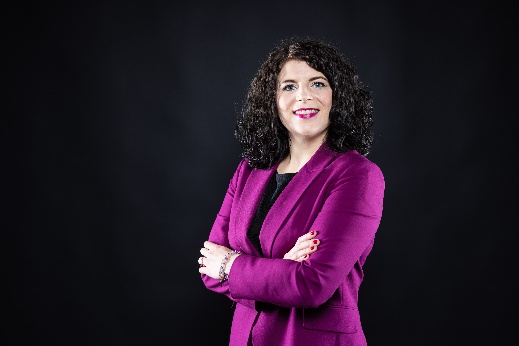
Dr. Maria Groinig

Dr. Maria Groinig

… leads the CLiP project and the CLiP_TransformativeSpace™.

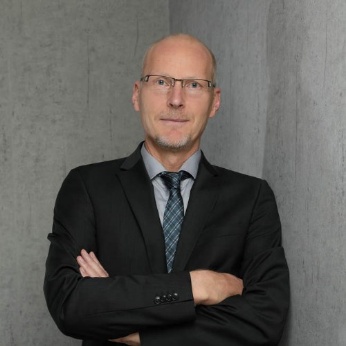
Dr. Wolfgang Hagleitner

Dr. Wolfgang Hagleitner

… is responsible for the CLiP survey and supports the CLiP project with his extensive academic expertise.

Manuel Scherer Langbehn

Manuel Scherer Langbehn

… supports the CLiP project and the CLiP_TransformativeSpace™ with his expertise in art therapy.

Boards & Formats

Advisory Board

Dates

February 2027 (EN)
February 2028 (EN)

Materials

- Information to follow shortly -

AI & SM Implementation Training

Dates

March 2027 (GE)

Materials

- Information to follow shortly -

Team Meeting

Dates

September 2026 (GE)
September 2027 (GE)
September 2028 (GE)

Materials

- Information to follow shortly -

Sounding Board

Dates

October 2027 (GE & EN)
October 2028 (GE & EN)

Materials

- Information to follow shortly -

Collaborative Reflection Board

Dates

November/December 2026 (GE)
November/December 2027 (GE)
November/December 2028 (GE)

Materials

- Information to follow shortly -

CLiP Podcast

- Information to follow shortly -

Publications

- Information to follow shortly -

Conference Contributions

- Information to follow shortly -

Sign up for the newsletter

Thank you! Your submission has been received!
Oops! Something went wrong while submitting the form.
Organisationsentwicklung und Politikgestaltung